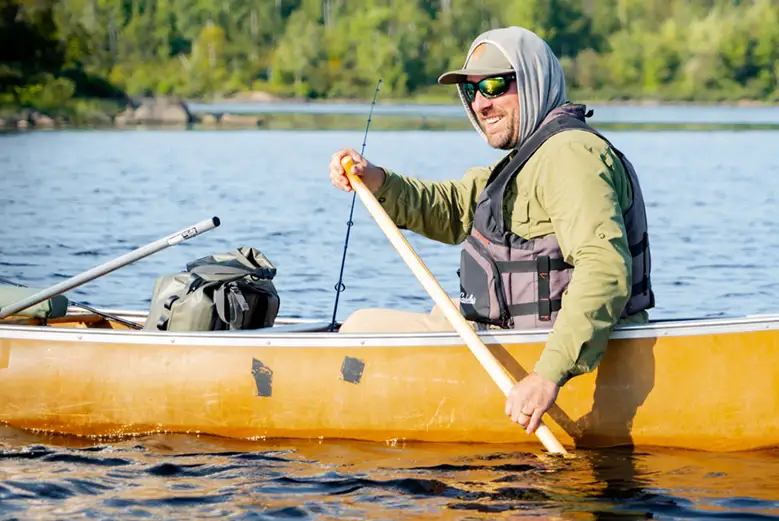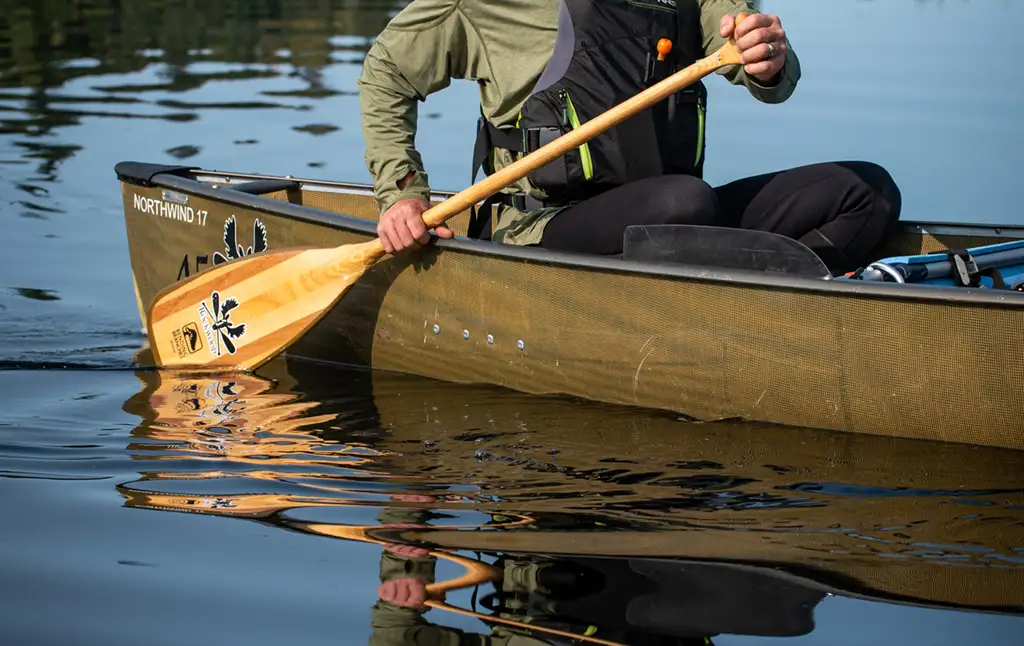

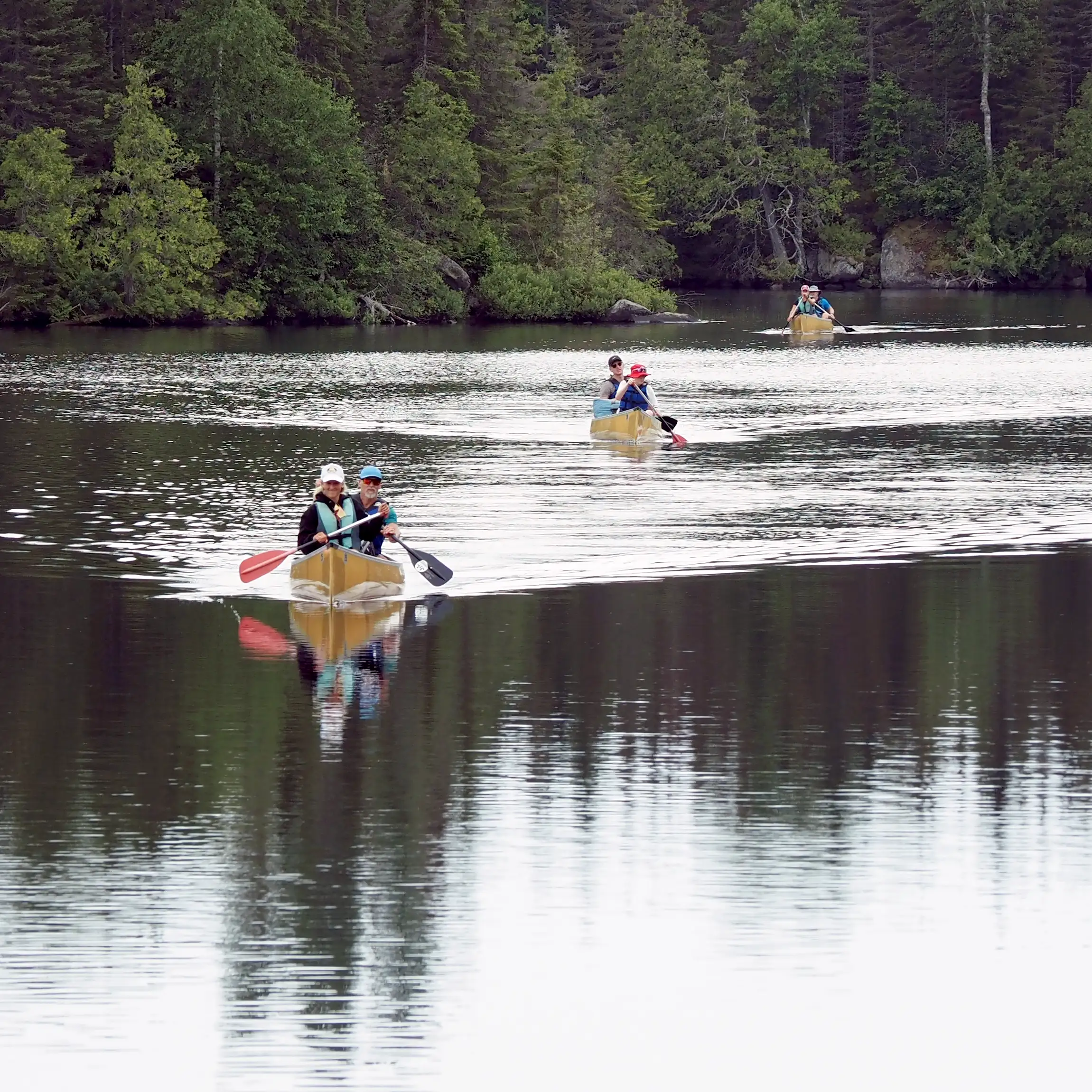
At Rockwood, callers often express frustration when their preferred entry point is already booked for their wilderness adventure. Our goal is to provide portage advice to help you find the best solution that will get you into the BWCAW and maybe have a more memorable experience on one of the hidden gems of the Gunflint Trail.
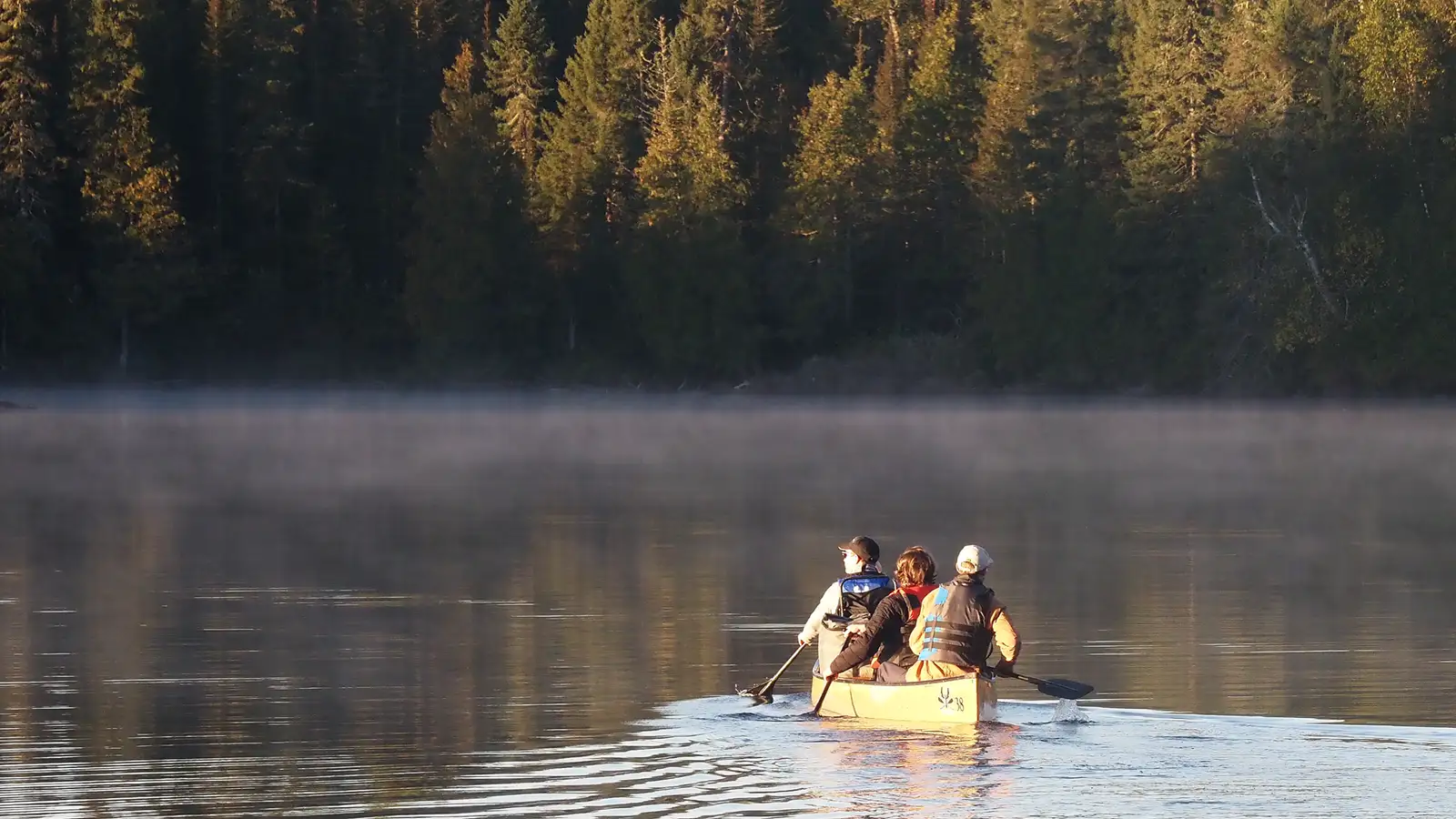
We are ready to help create a trip that offers the challenges and solitude you’re seeking, and makes you forget the disappointment of a crowded entry point. Some of the options we can help you find may mean another Gunflint Trail outfitter is best for you, and we’re okay with that. Rockwood is an outfitter that cares more about the quality of your wilderness experience and the health of the wilderness than our own booking calendar.
Portage Advice
The Lizz Lake Entry Point (#47) on Poplar Lake is an easy and quite popular entry point. According to Rockwood’s Carl Madsen, Lizz was significantly booked by the end of January, with just a few exceptions. “If Lizz is your favorite entry point, you don’t need to give up on your plans for a Boundary Waters vacation this year,” Carl added.
Don’t cancel your trip just yet – we have portage advice. We recommend exploring alternatives in the Gunflint Trail Corridor—these options often have availability and can provide some of the most rewarding experiences in the BWCAW when your first choice is unavailable.
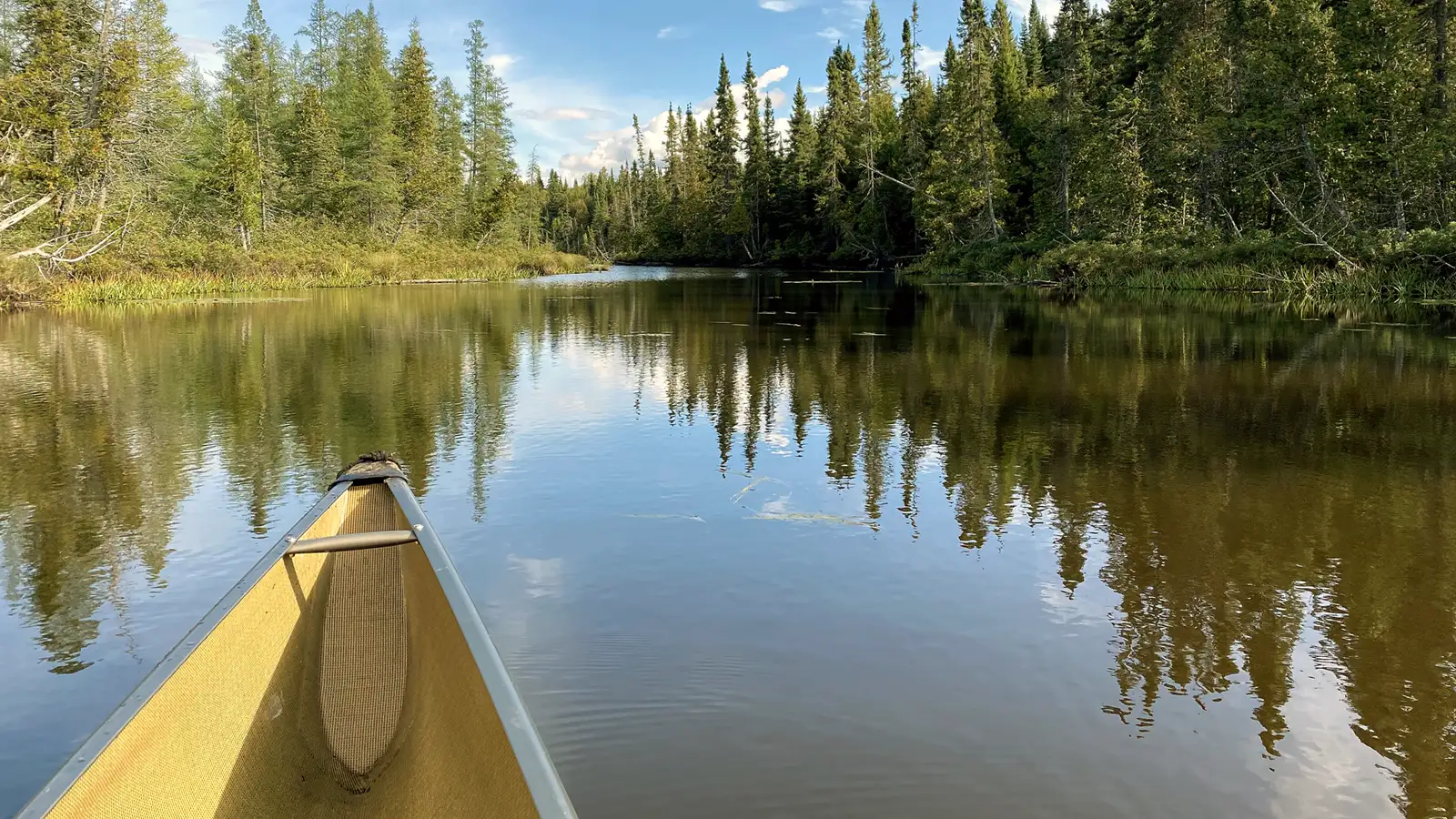
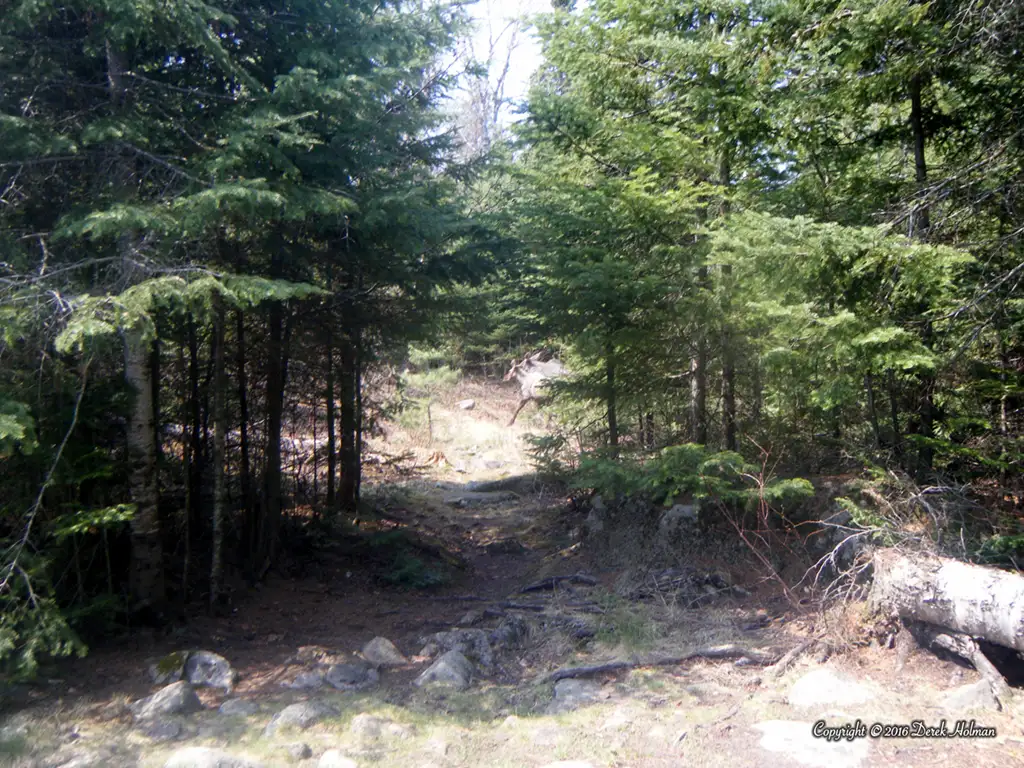
The simple math of the BWCAW says the longer or steeper the first portage, the more solitude you’ll find on the other side. Meeds Lake EP 48 requires a one-mile portage off Poplar Lake. It has two daily permits and is often a good option for finding last-minute availability. “Remember,” Carl said, “the long first portage can be a tougher vacation. It’s a lot of work, but a lot of fun. For families, often the kids appreciate the more challenging outing.”
Skipper Lake EP 49 is the least traveled of the three entries off Poplar. It also involves a one-mile portage from Poplar Lake, but you’ll reach a quieter, more remote chain of lakes. Rockwood’s Mike Seim has some portage advice for those longer entry points. “I recommend the leapfrog approach,” he said. “Rather than trying to carry it all, split your gear and carry the first load about one-third of the way, then return to gather the rest and carry that about two-thirds. This will break up the portage to something more manageable.”
The Boundary Waters isn’t just a destination; it’s a feeling. That feeling is often easier to find on a quiet, less-visited lake like Ram than on a crowded highway of canoes and campers elsewhere. The smaller chain lakes offer better wind protection and more intimate wildlife encounters. The BWCAW is a string of pearls, and sometimes the most beautiful ones are the ones tucked furthest back in the jewelry box.
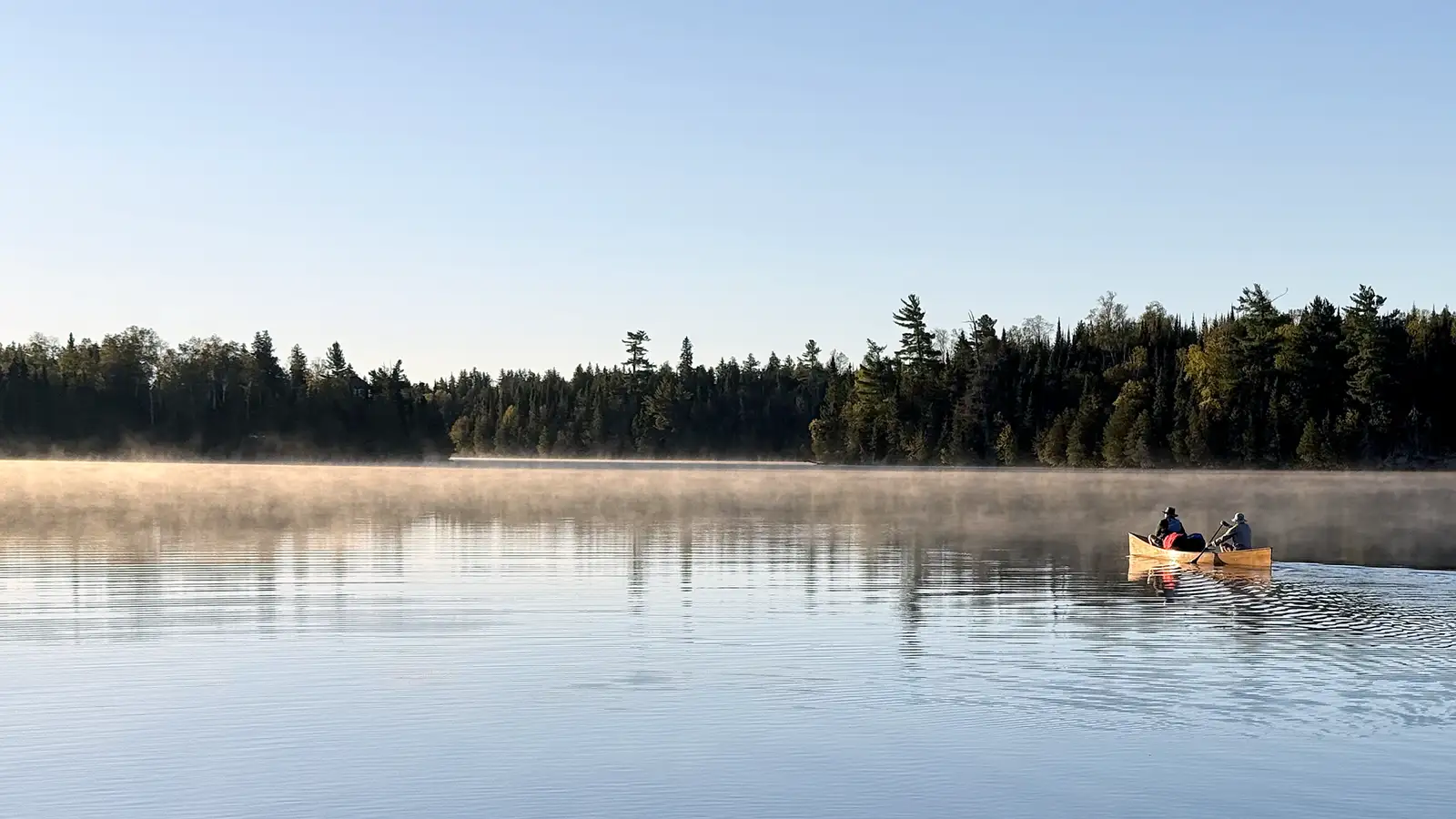
Carl and Mike know the Boundary Waters and tailor the best canoe routes to fit your desires, experience, and timetable.
If your preferred entry is booked, and you’re looking for good campsites and great trout fishing, Carl recommends a four-lake route starting at the Ram Lake EP44. It is a “hidden gem” that naturally filters out crowds, leaving the area incredibly quiet for those who make the effort. Accessible by car or shuttle (Rockwood offers free transport), travelers head west from Ram through Kroft and Rum Lakes to reach Little Trout Lake.
This entry point typically allows only one permit per day, ensuring that once you are past the first portage, you are unlikely to see many other groups. Ram Lake is a rare find in the Boundary Waters because it offers natural Lake Trout reproduction and is also stocked with Rainbow Trout. Just three portages in, Little Trout Lake is renowned for its high numbers of “eater-sized” Lake Trout and features three campsites that see very light pressure.
The Crocodile River EP66 is a unique “destination” entry point. It is specifically designed for people who want to find one perfect spot and stay there, rather than traveling a long loop. Crocodile Lake is essentially a dead end. Because you cannot travel to other lakes without technically exiting the wilderness, there is no “through-traffic on the lake.”
You won’t have a constant stream of canoes paddling past your campsite. At one permit per day, this ensures that the lake’s four campsites are rarely all full, offering a high level of solitude. Despite its intimidating name, the lake has a reputation as a highly productive Walleye fishery. The Crocodile River flows into East Bearskin Lake via a beautiful, 97-foot descending series of rapids and a waterfall that many people miss because it’s tucked behind a campsite.
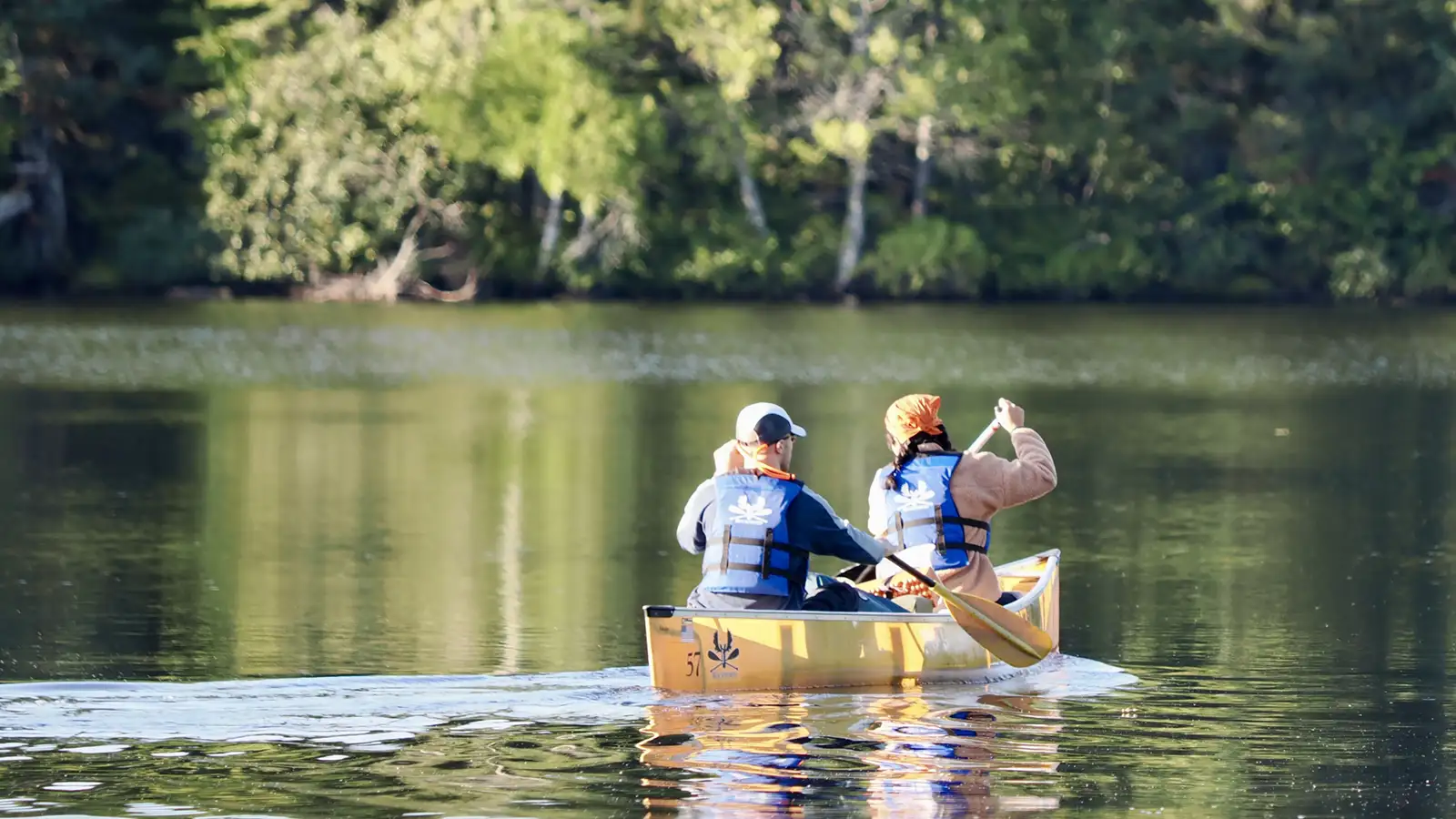
“People don’t hear or read about some of these other routes,” Carl said. “But they are some really nice options for solitude, wildlife viewing, and fishing, of course.”
Another recommendation he makes is the Bower Trout EP 43 through Marshall to Swan Corridor. This route is a classic example of a quiet, high-reward alternative to the crowded “super-highways” of the Boundary Waters in the summer. It offers an intimate, rugged experience, with excellent fishing and a high chance of seeing moose. Only one permit is issued per day here, and you are virtually guaranteed to start your trip in total peace. Great for walleye and smallmouth bass.
Swan Lake is a beautiful, larger lake with several campsites. It has a rich history as an old logging camp. The stretch between Dugout and Skidway is prime moose habitat. The river is narrow, slow-moving, and filled with the aquatic plants that moose love. The site of an old logging camp at the north end of Swan Lake is a step back in time. This was the terminus of a spur railway for the Alger-Smith Logging Company. Finding old spikes or foundations in the woods adds a layer of discovery that you don’t get on the more heavily traveled routes.
A popular route that still has more than half its days unbooked is considered a “Grand Tour” of the mid-Gunflint Trail area. It is an incredibly scenic route with outstanding fishing. Moving from the rugged, river-like entry at Cross Bay Lake EP 50, this route covers a diverse range of terrain across lakes Ham, Cross Bay, Rib, Lower George, Karl, Long Island, Gordon, Cherokee, Town, Vesper, Cam, Brule, Cones, Cliff, Waninigan, Winchell, Gaskin, Horseshoe, Caribou, Lizz and back to Rockwood Lodge on Poplar Lake. It’s a route that offers everything: the river paddling of Cross Bay, the big-water challenge of Brule Lake, the cliff-side beauty of Winchell, and the wildlife density of Horseshoe.
If Rockwood is booked or doesn’t serve your entry point, we can recommend other trusted outfitters.
“Give us a call,” Mike said. “Even if we’re not the right fit for your specific route, we’ll help you find a wilderness trip to call your own.” So if your chosen date and route are already booked, Carl and Mike urge you to reach out. Call or text 218-388-2242, visit RockwoodBWCA.com, or email info@rockwoodbwca.com.